
A Deep Dive Into Different Insulation Materials
When choosing insulation for your home or business, understanding the options is crucial. Various materials offer different benefits, and selecting the right one can improve energy efficiency and comfort. Traditional insulation options like fiberglass and cellulose have been used for years. However, new alternatives are gaining popularity due to their enhanced properties. This article explores how mineral wool compares with traditional options, providing insights into making an informed choice.
The Advantages of Mineral Wool
Mineral wool insulation offers several benefits that distinguish it from other types. It is highly fire-resistant, which makes it a safer choice for buildings. Additionally, this material boasts excellent soundproofing qualities, often outperforming its counterparts in noise reduction. Due to its dense structure, mineral wool provides better thermal resistance. This means it keeps indoor environments comfortable while reducing energy costs. With these advantages, it’s clear why mineral wool is becoming a favored option.
Traditional Insulation Methods: Fiberglass and Cellulose
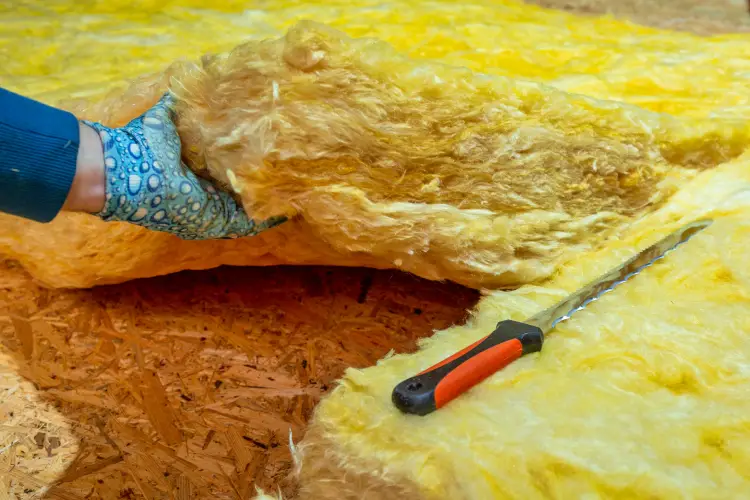
Fiberglass and cellulose have long been staples in the insulation industry. Fiberglass is known for its affordability and ease of installation. It’s made from fine glass fibers and works well in a variety of settings. On the other hand, cellulose, typically made from recycled paper, offers an eco-friendly alternative. It’s treated with fire-retardant chemicals to enhance safety. While both are effective insulators, they lack some of the additional benefits that mineral wool insulation can provide.
Understanding Installation Processes
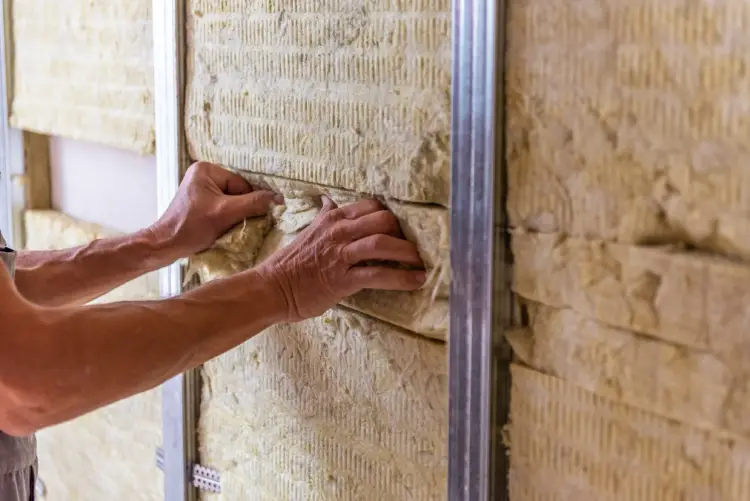
- Mineral wool requires precise cutting to fit into spaces but generally installs easily between standard framing.
- Fiberglass comes in rolls or batts and fits snugly between joists without much effort.
- Cellulose is usually blown into spaces using specialized equipment, which can be messy if not handled properly.
Considering Environmental Impact
Environmental concerns often influence insulation choices. Mineral wool is produced from natural rock or slag, making it a sustainable option. Its production process utilizes waste materials and has a lower carbon footprint compared to other insulations. In contrast, fiberglass production involves higher energy use and emissions. Cellulose ranks high for sustainability due to its recycled content. By considering these factors, you can choose an option that aligns with your environmental values.
Cost Implications of Different Insulations
Budget considerations play a significant role in decision-making. Typically, fiberglass is the most budget-friendly option upfront, making it attractive for cost-conscious projects. Mineral wool tends to be more expensive initially but offers savings over time through improved energy efficiency. Cellulose falls somewhere in between in terms of cost but might require professional installation, adding to overall expenses. Understanding these costs helps manage expectations and plan accordingly.
Final Thoughts on Choosing the Right Insulation
Selecting the best insulation depends on your specific needs, whether it’s fire resistance, soundproofing, or environmental impact. Evaluate each option based on performance metrics and cost considerations to make an informed decision. If you’re ready to improve your property’s energy efficiency, contact us at (669) 202-5563. Our team at All About Insulations LLC provides expert services across Hollister, CA. Together, we can find the solution that meets your requirements effectively.